The smarter, safer alternative: Solius maximizes UVB benefit and reduces UVA risk

Dermatologists have used UV phototherapy for more than a century. Solius is the next generation of dermatologist-guided light medicine.

Skin sensor

measures each user’s skin (ITA) to calculate a personalized dose

0.4 MED

target first dose

I-VI

validated for all Fitzpatrick skin types

FDA-cleared

new FDA product code SGZ, cleared for over-the-counter use

Over a century of light as medicine

UV phototherapy has been part of dermatology since the first Nobel Prizes in Medicine. Solius builds on that history with a measured, personalized dose of the most beneficial, but difficult to access part of the UV spectrum.

1903

Nobel Prize for UV light therapy

Niels Finsen receives the Nobel Prize in Medicine for treating lupus vulgaris, tuberculosis of the skin, with concentrated UV light.

1980s

Narrowband UVB

311 nm fluorescent narrowband UVB becomes a mainstay of in-office dermatology treatment for psoriasis, eczema, and vitiligo.

2026

Personalized UVB

Solius Pro becomes the first and only FDA-cleared, personalized UVB light therapy, dosed to each user’s measured skin.

Solius complements healthy sun habits

Solius adds a measured, personalized dose of the most beneficial part of the sun’s spectrum, with the least amount of risk.

01

Wear sunscreen

Protect skin from the unmeasured UV exposure of everyday sun.

02

Avoid midday sun

The UV-heavy midday sun carries the highest risk of burns and skin damage.

03

Personalize your UVB dose

Solius isolates UVB, the most beneficial wavelength of light medicine and the hardest spectrum of the sun’s light to dose safely.

04

Check your skin

Get an annual skin check with a dermatologist.

The Solius dosing technology

Solius automates the traditional phototherapy protocol and incorporates a skin measurement to set a maximum dose the user cannot exceed.

01

Skin history questionnaire

02

Measure the skin

03

Calculate 0.4 MED dose

04

Deliver personalized dose

05

Therapy dose capped

06

Check in and adjust

07

Annual skin check

Step 01

Skin history questionnaire

Self-reported sun response

Each user profile is informed by self-reported skin history. Before the first measurement, users describe how their skin usually reacts to strong midday sun, and users who report sensitive skin start at a dose reduced by 20%.

Step 01

Skin history questionnaire

Self-reported sun response

Each user profile is informed by self-reported skin history. Before the first measurement, users describe how their skin usually reacts to strong midday sun, and users who report sensitive skin start at a dose reduced by 20%.

Step 02

Measure the skin

ITA, an objective reading beyond Fitzpatrick

An optical sensor built into the light panel measures the Individual Typology Angle (ITA), a colorimetric reading of skin pigmentation that correlates with Fitzpatrick skin types I-VI. Where Fitzpatrick typing is subjective, ITA is a repeatable, quantifiable measurement.

Step 03

Calculate 0.4 MED dose

From the published ITA-MED relationship

ITA is converted to minimal erythema dose using published research relating skin color to MED, drawing on data from nearly 10,000 individuals. The ITA-based method is formally codified in ISO 24444:2019.

Step 04

Deliver personalized dose

Personalized dose cannot be exceeded

Dose is delivered as timed exposure to the back, waist to neck, while distance sensing keeps users in the target area. Darker skin receives a longer exposure, and a typical session is ~2 minutes. The calculated dose is the user’s maximum; they cannot extend it.

Step 05

Therapy dose capped

Automatic shutoff and 24-hour lockout

Solius UVB lights automatically turn off once the personalized dose is complete. Users are limited to a single Solius session per 24-hour period based on their personalized dose, to ensure safe use and prevent overdosing.

Step 06

Check in and adjust

Following American Academy of Dermatology UVB dosing guidelines

Before each subsequent session, users report any pinkness, redness, or irritation that lasted more than a day, and a reported reaction automatically lowers the next dose. Dose changes are capped at 20% per session, following American Academy of Dermatology UVB dosing guidelines.

Step 07

Annual skin check

Dermatologist screening stays essential

We recommend every Solius user get a skin check with a dermatologist once a year, and continue wearing sunscreen and avoiding midday sun.

  • Step 01

    Skin history questionnaire

    Self-reported sun response

    Each user profile is informed by self-reported skin history. Before the first measurement, users describe how their skin usually reacts to strong midday sun, and users who report sensitive skin start at a dose reduced by 20%.

  • Step 02

    Measure the skin

    ITA, an objective reading beyond Fitzpatrick

    An optical sensor built into the light panel measures the Individual Typology Angle (ITA), a colorimetric reading of skin pigmentation that correlates with Fitzpatrick skin types I-VI. Where Fitzpatrick typing is subjective, ITA is a repeatable, quantifiable measurement.

  • Step 03

    Calculate 0.4 MED dose

    From the published ITA-MED relationship

    ITA is converted to minimal erythema dose using published research relating skin color to MED, drawing on data from nearly 10,000 individuals. The ITA-based method is formally codified in ISO 24444:2019.

  • Step 04

    Deliver personalized dose

    Personalized dose cannot be exceeded

    Dose is delivered as timed exposure to the back, waist to neck, while distance sensing keeps users in the target area. Darker skin receives a longer exposure, and a typical session is ~2 minutes. The calculated dose is the user’s maximum; they cannot extend it.

  • Step 05

    Therapy dose capped

    Automatic shutoff and 24-hour lockout

    Solius UVB lights automatically turn off once the personalized dose is complete. Users are limited to a single Solius session per 24-hour period based on their personalized dose, to ensure safe use and prevent overdosing.

  • Step 06

    Check in and adjust

    Following American Academy of Dermatology UVB dosing guidelines

    Before each subsequent session, users report any pinkness, redness, or irritation that lasted more than a day, and a reported reaction automatically lowers the next dose. Dose changes are capped at 20% per session, following American Academy of Dermatology UVB dosing guidelines.

  • Step 07

    Annual skin check

    Dermatologist screening stays essential

    We recommend every Solius user get a skin check with a dermatologist once a year, and continue wearing sunscreen and avoiding midday sun.

First Dose Safety Validation

100%

A dosing validation study including all Fitzpatrick skin types I-VI demonstrated that the Solius personalized dosing system safely delivers sub-erythemal UVB across all skin types, with no serious adverse events.

Zero adverse events observed

Protocol Optimization & Safety

1x per week

A protocol optimization study (IQVIA, 53 subjects, 15 weeks) determined optimal dosing, testing multiple variables: skin surface area (back and front torso versus back only); dose delivery (same total UV dose delivered slow versus fast); and frequency (sessions once per week versus three times per week). The data showed the most effective protocol was once per week, back only, using the current dose delivery timing. This dosing protocol demonstrated a mean 9.91 ng/mL increase in serum 25(OH)D with a <1% adverse event rate across 1,270 sessions in all groups.

53 users over 15 weeks

Randomized Controlled Trial

+76%

A peer-reviewed randomized controlled trial (Boston University, Shirvani and Holick, published in Anticancer Research 2025) demonstrated a statistically significant 10.2 ng/mL mean increase in 25(OH)D, equivalent to the effect of ~1,000 IU of daily oral vitamin D3 supplementation, versus a 2.3 ng/mL decrease in the placebo group (p<0.01).

p<0.01, no serious adverse events

  • First Dose Safety Validation

    100%

    A dosing validation study including all Fitzpatrick skin types I-VI demonstrated that the Solius personalized dosing system safely delivers sub-erythemal UVB across all skin types, with no serious adverse events.

    Zero adverse events observed

  • Protocol Optimization & Safety

    1x per week

    A protocol optimization study (IQVIA, 53 subjects, 15 weeks) determined optimal dosing, testing multiple variables: skin surface area (back and front torso versus back only); dose delivery (same total UV dose delivered slow versus fast); and frequency (sessions once per week versus three times per week). The data showed the most effective protocol was once per week, back only, using the current dose delivery timing. This dosing protocol demonstrated a mean 9.91 ng/mL increase in serum 25(OH)D with a <1% adverse event rate across 1,270 sessions in all groups.

    53 users over 15 weeks

  • Randomized Controlled Trial

    +76%

    A peer-reviewed randomized controlled trial (Boston University, Shirvani and Holick, published in Anticancer Research 2025) demonstrated a statistically significant 10.2 ng/mL mean increase in 25(OH)D, equivalent to the effect of ~1,000 IU of daily oral vitamin D3 supplementation, versus a 2.3 ng/mL decrease in the placebo group (p<0.01).

    p<0.01, no serious adverse events

Solius maximizes UVB benefit and reduces UVA risk

UV-B

burning and benefits

UVB drives vitamin D production, nitric oxide release, neuroendocrine signaling, and microbiome balance. It is also the band that burns, which is why dose control matters.

UV-A

aging

UVA penetrates deeper, is tied to photoaging and skin damage, and adds little to vitamin D synthesis. Precision LEDs targeting 293 nm concentrate Solius light in UVB and limit UVA.

15-week clinical study

No skin color change

In Solius’s 15-week IQVIA protocol study, photos of each subject’s back taken at the start and end of the study showed no visible change in skin color.

Solius concentrates its output in UVB and limits UVA, the light that drives tanning, thus is designed not to tan or burn the skin.

How a Solius dose compares to a narrowband UVB dose

Narrowband UVB is prescribed in raw, unweighted energy. Solius doses are erythemally weighted (mJ/cm² effective), the standard scale that adjusts each wavelength for how the skin responds to it. Put on the same scale, the two doses compare directly.

Swipe to compare with narrowband UVB and natural sunlight →

Fitzpatrick I-II, first dose

Solius Pro (personalized first dose)

Narrowband UVB (AAD starting dose)

Unweighted energy

~9-14 mJ/cm²

300 mJ/cm²

Erythemally weighted

~8-12 mJ/cm² eff

~19 mJ/cm² eff

Share of MED

40%

~75-85%


Why the narrowband number is so much larger: The UVB action spectrum extends from 280 to 315 nm, and peaks around 297 nm. Narrowband lamps peak at 311 nm, which provide very little beneficial UVB energy; thus, a large amount of raw energy is needed to reach a therapeutic dose. Solius concentrates its light at 293 nm, inside the vitamin D/UVB action spectrum, so a small, precisely measured dose does the same work more efficiently and when properly dosed to the user’s skin, provides that dose more safely. For the same skin type, a Solius first dose is about half the erythemally weighted starting dose of narrowband UVB, and well below the erythema threshold.

Narrowband conversion and Solius values calculated from independent third-party Intertek spectral scans of Solius Pro and a narrowband UVB device (Philips PL-S 9W/01 lamp), using the CIE erythema reference action spectrum (ISO 17166/CIE S 007). Fitzpatrick I-II MED of ~20-30 mJ/cm² eff (Cole 2020; Colombian MED study 2020). Starting dose from the AAD-NPF phototherapy guidelines, Table VIII.

The risk

Risk compared to natural sunlight & narrowband UVB

Solius vs. natural sunlight

99% less UV risk

UV risk than natural sunlight for the same benefit

Solius vs. narrowband UVB

83% less UV risk

UV risk than narrowband UVB phototherapy, which carries ~5.7x the UV radiation risk of Solius

Solius Pro

UVB 97%

UVA 3%

Narrowband UVB (Philips PL-S 9W/01)

UVB 73.6%

UVA 26.4%

Natural sunlight (ASTM G173 AM 1.5)

UVB 1.6%

UVA 98.4%

Swipe to compare with narrowband UVB and natural sunlight →

For the same vitamin D benefit

Solius Pro

Narrowband UVB

Natural sunlight

Vitamin D-weighted dose (benefit)

24.5 mJ/cm²

24.5 mJ/cm²

24.5 mJ/cm²

Exposure time

2 minutes

~5 minutes

~25 minutes

Total UV delivered

29.1 mJ/cm²

~167 mJ/cm²

~6,900 mJ/cm²

UVA delivered

~0.8 mJ/cm²

~44 mJ/cm²

~6,800 mJ/cm²

UVB and UVA shares (315 nm cutoff) and doses are Solius engineering calculations from independent third-party Intertek spectral scans of Solius Pro (FDA 510(k) Summary) and of a narrowband UVB device with a Philips PL-S 9W/01 lamp at 20 cm, and from the ASTM G173 AM 1.5 reference sun spectrum. Narrowband exposure time is derived from its measured vitamin D-weighted irradiance.

Total UV risk

1 year

of weekly Solius therapy UV risk

=

5 minutes

of afternoon sun UV risk

The UV exposure risk of a full year of weekly Solius therapy is equivalent to the UV risk of five minutes of afternoon sun, based on typical two-minute weekly sessions.

The benefit

Benefit compared to natural sunlight & narrowband UVB

Holding exposure time constant at two minutes, a typical Solius session, this compares the vitamin D-weighted UVB dose each source delivers. Solius delivers far more beneficial UVB per minute by concentrating output where vitamin D synthesis peaks.

Solius vs. natural sunlight

12x

more vitamin D-stimulating UVB per minute than natural sunlight at mid-latitudes

Solius vs. narrowband UVB

2.6x

more vitamin D-stimulating UVB per minute than narrowband UVB phototherapy

Solius Pro

24.5 mJ/cm²

Narrowband UVB (Philips PL-S 9W/01)

~9.5 mJ/cm²

Natural sunlight (ASTM G173 AM 1.5)

2.0 mJ/cm²

Vitamin D-weighted UVB dose in two minutes of exposure. Solius and sunlight values are Solius engineering calculations from spectral measurements of Solius Pro and the ASTM G173 AM 1.5 spectrum (24.5 versus 2.0 mJ/cm², a 12.3x ratio). Narrowband is derived from its measured vitamin D-weighted irradiance, 2.58x lower than Solius.

Phototherapy has a long safety record. Solius makes it safer

Many patients with moderate-to-severe psoriasis or eczema move to systemic drug therapies, some of which are associated with a higher risk of skin cancer. Narrowband UVB phototherapy remains a guideline-recommended, drug-free option backed by decades of safety data.

TNF-alpha inhibitor biologics

Higher skin cancer risk

In a 2026 Journal of the American Academy of Dermatology cohort of 56,209 patients with chronic inflammatory disease, TNF-alpha inhibitor biologics were associated with ~1.9x the risk of any skin cancer, including higher risk of basal cell carcinoma (adjusted HR 1.99), squamous cell carcinoma (1.69), and melanoma (1.54).

Narrowband UVB phototherapy

No significant skin cancer association

In 3,867 patients followed for 24,753 person-years, Hearn and colleagues found no significant association between narrowband UVB treatment alone and basal cell carcinoma, squamous cell carcinoma, or melanoma (British Journal of Dermatology, 2008).

Where Solius fits

Recognized by the National Psoriasis Foundation

Solius Pro holds the National Psoriasis Foundation Seal of Recognition, which highlights products created to be non-irritating and safe for people living with psoriasis and psoriatic arthritis. Solius is cleared to stimulate vitamin D production, not to treat psoriasis or eczema, and treatment choices remain with the dermatologist and patient.

Engineered for safety

Layered safeguards built into the device and app, so safe use does not depend on judgment alone.

Personalized maximum dose

The skin sensor sets each user’s dose, and that dose is a ceiling: users cannot increase exposure beyond it or choose their own exposure time. Any reported redness lowers the next dose automatically.

Precise light

UVB LEDs targeting 293 nm concentrate output in UVB and limit UVA, with a consistent and uniform output across the therapy area.

Dynamic positioning

Distance sensing keeps users 7-14 inches from the panel, with visual and audio guidance in the app and automatic shutoff if they are not properly positioned.

Solius protective eyewear icon

Protective eyewear

Validated UVB-protective eyewear is included, and in-app facial detection confirms the eyes are protected before therapy can start.

One-day lockout

One session per day at most, giving skin time to show a response and preventing repeat therapies and over-exposure.

Designed not to tan or burn

Doses target 0.4 MED, below the erythema threshold, and limited UVA output means Solius is designed not to tan or burn the skin. In a 15-week clinical study, before-and-after photos showed no visible change in skin color.

The first and only FDA-cleared, personalized UVB light therapy

Cleared January 16, 2026 as a Class II device under a new product code, SGZ, created for personalized, sensor-dosed UVB for unsupervised use. Indicated to stimulate vitamin D production in people 22 and older.

Safety and effectiveness reviewed

FDA reviewed Solius’s clinical safety and effectiveness data, including the randomized controlled trial, dosing validation across all skin types, and the 15-week protocol optimization study.

Cleared for at-home use

Over-the-counter clearance required showing a layperson can use the device safely by following its labeling, with light output, safety testing, usability, and labeling all reviewed.

Is Solius right for you?

Cleared for adults 22 and older. Not for use with skin lesions or open wounds. Caution recommended for anyone with a personal or family history of skin cancer. Annual skin check with a dermatologist recommended.

How UVB light impacts your body
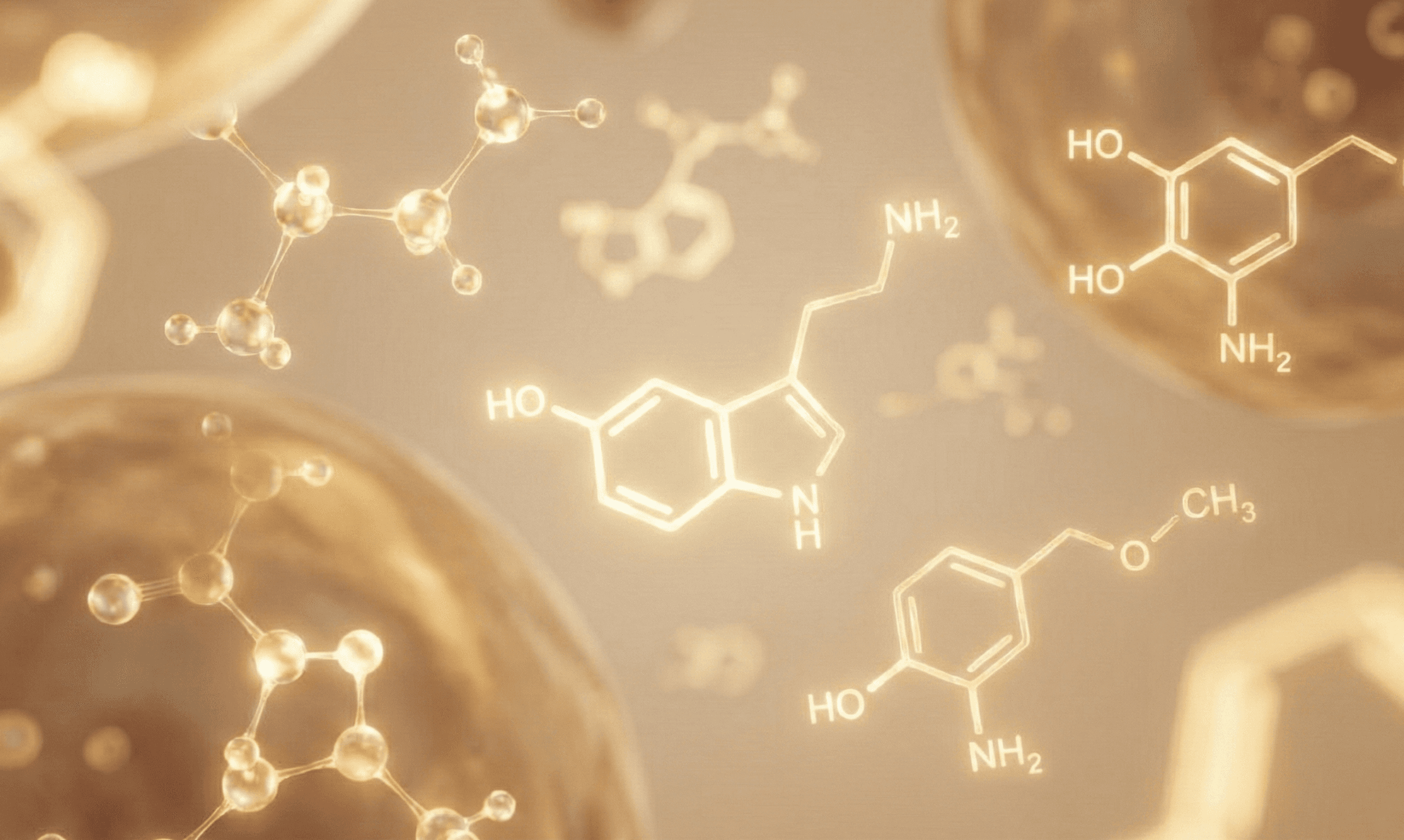
Abstract translucent sphere containing floating bubbles and organic shapes in soft green, beige, and white tones against a neutral background.

Neurotransmitters, nitric oxide, & hormones are activated

What happens

UVB light triggers the release of nitric oxide, beta-endorphins, serotonin precursors, dopamine-related peptides, and anti-inflammatory compounds like calcitriol and lumisterol.

Why it matters

These molecules improve mood, energy, stress balance, motor control and learning, and provide long-term neuroprotection against cognitive decline. Effects begin shortly after exposure and can last hours to days.

Close-up of a person’s neck and jawline in warm natural light, with soft shadows emphasizing skin texture and contours.

Vitamin D production begins, optimizing gene expression

What happens

Within seconds of UVB light exposure, your skin converts 7-dehydrocholesterol into previtamin D₃, which becomes active vitamin D₃ over the next 24-48 hours.

Why it matters

Vitamin D functions as a hormone that influences over 1,000 genes, supporting bone strength, immune resilience, and metabolic health.
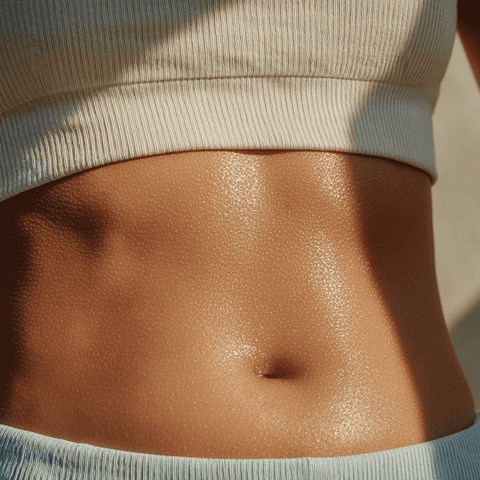
Close-up of a toned abdomen in warm sunlight, with subtle skin texture and soft shadows highlighting natural contours.

Microbiome balance & gut integrity improves

What happens

UVB light strengthens your skin and gut microbiomes. On the skin, natural antimicrobial peptides increase, helping beneficial bacteria thrive while reducing inflammation. Through the gut-skin axis, UVB promotes amino acid and mucus production, supporting nutrient absorption, gut barrier integrity, and microbial diversity.

Why it matters

A balanced microbiome improves skin health and appearance, reduces chronic inflammation and supports digestion, immunity, and mood regulation. Local skin improvements begin within days, and gut microbiome diversity increases progressively over 2-4 weeks.

Featured UVB research

Solius’s own clinical studies, alongside leading research from dermatologists on the systemic effects of UV exposure.

Arash Shirvani, MD, PhD, and Michael F. Holick, PhD, MD

Boston University

Randomized controlled trial

Serum vitamin D rose 76% with Solius and fell with placebo (p<0.01).

Solius randomized controlled trial · Anticancer Research, 2025

Eurofins and IQVIA

Independent clinical research organizations

Clinical validation study

No skin reactions across Fitzpatrick I-VI, and under 1% adverse events across 1,270 therapies.

Solius dosing validation and protocol optimization · FDA 510(k) testing

Bruce A. Vallance, PhD, and Jan P. Dutz, MD

University of British Columbia

Preclinical study

Repeated Solius exposures reshaped gut microbiota and raised short-chain fatty acids and tryptophan metabolites.

Solius UVB alters gut microbiome and metabolome · Frontiers in Microbiology, 2026

Henry W. Lim, MD, et al.

Henry Ford Health

Literature review

Most of 28 reviewed studies linked higher UV exposure to fewer adverse outcomes, including 12% lower all-cause mortality in one cohort.

Systemic effects of sunlight: 10-year review · J Eur Acad Dermatol Venereol, 2026

Richard Weller, MD

University of Edinburgh

Cohort study

~100 deaths from heart disease and internal cancers prevented for every additional skin cancer death.

UV risk-benefit in 419,007 UK Biobank adults · medRxiv preprint, 2026, not yet peer reviewed

Richard Weller, MD

University of Edinburgh

Cohort study

Among 395,086 UK adults, those living in sunnier parts of the country had 12% lower all-cause and 19% lower cardiovascular mortality.

Higher UV exposure, lower mortality in the UK Biobank · Health & Place, 2024

Richard Weller, MD, et al.

University of Edinburgh and University of Western Australia

Ecological study

Higher ambient UV was associated with ~36,000 fewer cardiovascular deaths and 50,000 fewer cancer deaths in the US each year.

Cardiovascular and cancer mortality and long-term ambient UV · medRxiv preprint, 2026, not yet peer reviewed

Pelle G. Lindqvist, MD, PhD

Karolinska Institutet

Cohort study

In nearly 30,000 Swedish women, nonsmokers who avoided the sun had a life expectancy similar to smokers with the most sun exposure.

Avoidance of sun exposure as a risk factor for major causes of death · Journal of Internal Medicine, 2016

Jan P. Dutz, MD, et al.

University of British Columbia

Clinical pilot study

Three narrowband UVB exposures in one week increased gut microbial diversity, most in adults who started vitamin D insufficient.

Skin exposure to narrowband UVB modulates the human intestinal microbiome · Frontiers in Microbiology, 2019

Cedric F. Garland, DrPH, and William B. Grant, PhD

UC San Diego and Sunlight, Nutrition, and Health Research Center

Ecological studies

Populations with less UVB show higher rates of cancer, breast cancer, type 1 diabetes, and multiple sclerosis.

Higher disease rates in low-sun latitudes · Anticancer Research, The Breast Journal, Diabetologia, and others

Bruce A. Vallance, PhD, et al.

University of British Columbia

Literature review

Exposing the skin to UVB light can beneficially modulate both the gut microbiome and intestinal health.

The gut-skin axis: a microbiota-driven relationship · Gut Microbes, 2025

  • Arash Shirvani, MD, PhD, and Michael F. Holick, PhD, MD

    Boston University

    Randomized controlled trial

    Serum vitamin D rose 76% with Solius and fell with placebo (p<0.01).

    Solius randomized controlled trial · Anticancer Research, 2025

  • Eurofins and IQVIA

    Independent clinical research organizations

    Clinical validation study

    No skin reactions across Fitzpatrick I-VI, and under 1% adverse events across 1,270 therapies.

    Solius dosing validation and protocol optimization · FDA 510(k) testing

  • Bruce A. Vallance, PhD, and Jan P. Dutz, MD

    University of British Columbia

    Preclinical study

    Repeated Solius exposures reshaped gut microbiota and raised short-chain fatty acids and tryptophan metabolites.

    Solius UVB alters gut microbiome and metabolome · Frontiers in Microbiology, 2026

  • Henry W. Lim, MD, et al.

    Henry Ford Health

    Literature review

    Most of 28 reviewed studies linked higher UV exposure to fewer adverse outcomes, including 12% lower all-cause mortality in one cohort.

    Systemic effects of sunlight: 10-year review · J Eur Acad Dermatol Venereol, 2026

  • Richard Weller, MD

    University of Edinburgh

    Cohort study

    ~100 deaths from heart disease and internal cancers prevented for every additional skin cancer death.

    UV risk-benefit in 419,007 UK Biobank adults · medRxiv preprint, 2026, not yet peer reviewed

  • Richard Weller, MD

    University of Edinburgh

    Cohort study

    Among 395,086 UK adults, those living in sunnier parts of the country had 12% lower all-cause and 19% lower cardiovascular mortality.

    Higher UV exposure, lower mortality in the UK Biobank · Health & Place, 2024

  • Richard Weller, MD, et al.

    University of Edinburgh and University of Western Australia

    Ecological study

    Higher ambient UV was associated with ~36,000 fewer cardiovascular deaths and 50,000 fewer cancer deaths in the US each year.

    Cardiovascular and cancer mortality and long-term ambient UV · medRxiv preprint, 2026, not yet peer reviewed

  • Pelle G. Lindqvist, MD, PhD

    Karolinska Institutet

    Cohort study

    In nearly 30,000 Swedish women, nonsmokers who avoided the sun had a life expectancy similar to smokers with the most sun exposure.

    Avoidance of sun exposure as a risk factor for major causes of death · Journal of Internal Medicine, 2016

  • Jan P. Dutz, MD, et al.

    University of British Columbia

    Clinical pilot study

    Three narrowband UVB exposures in one week increased gut microbial diversity, most in adults who started vitamin D insufficient.

    Skin exposure to narrowband UVB modulates the human intestinal microbiome · Frontiers in Microbiology, 2019

  • Cedric F. Garland, DrPH, and William B. Grant, PhD

    UC San Diego and Sunlight, Nutrition, and Health Research Center

    Ecological studies

    Populations with less UVB show higher rates of cancer, breast cancer, type 1 diabetes, and multiple sclerosis.

    Higher disease rates in low-sun latitudes · Anticancer Research, The Breast Journal, Diabetologia, and others

  • Bruce A. Vallance, PhD, et al.

    University of British Columbia

    Literature review

    Exposing the skin to UVB light can beneficially modulate both the gut microbiome and intestinal health.

    The gut-skin axis: a microbiota-driven relationship · Gut Microbes, 2025

Research partners

Vitamin D supplements are not a substitute for UVB

Supplements have not reproduced the benefits associated with sun exposure. The evidence increasingly points to vitamin D as a biomarker of UVB exposure, not the sole mediator of its effects. UVB is a fundamental input to human health in its own right.

Observational data favors light

Large cohorts link higher sun exposure to lower all-cause mortality and lower cardiovascular, metabolic, autoimmune, and neurological disease, often in a U-shaped curve where both too little and too much carry risk.

Supplement trials fall short

Large randomized trials of oral vitamin D have not replicated those associations, which suggests either trial design limits or that vitamin D is not the primary causal pathway.

Nitric oxide and the heart

UV exposure releases nitric oxide stored in the skin, relaxing blood vessels and lowering blood pressure through a pathway independent of vitamin D (Weller, University of Edinburgh).

Neuroendocrine and immune signaling

Biopsy studies show NB-UVB induces β-endorphin, antimicrobial peptides, and broad gene expression changes in human skin, and UV alters circulating immune cells.

The skin-gut axis

The University of British Columbia showed three NB-UVB exposures in one week increased gut microbial diversity in humans (Frontiers in Microbiology, 2019). A 2026 study by Solius and the University of British Columbia found the Solius spectrum reshaped gut microbiota and metabolome in mice.

A fundamental input

UVB is under 1% of solar energy and the band that drops most with latitude. Our need for it was strong enough to shape the evolution of human skin color.

  • Observational data favors light

    Large cohorts link higher sun exposure to lower all-cause mortality and lower cardiovascular, metabolic, autoimmune, and neurological disease, often in a U-shaped curve where both too little and too much carry risk.

  • Supplement trials fall short

    Large randomized trials of oral vitamin D have not replicated those associations, which suggests either trial design limits or that vitamin D is not the primary causal pathway.

  • Nitric oxide and the heart

    UV exposure releases nitric oxide stored in the skin, relaxing blood vessels and lowering blood pressure through a pathway independent of vitamin D (Weller, University of Edinburgh).

  • Neuroendocrine and immune signaling

    Biopsy studies show NB-UVB induces β-endorphin, antimicrobial peptides, and broad gene expression changes in human skin, and UV alters circulating immune cells.

  • The skin-gut axis

    The University of British Columbia showed three NB-UVB exposures in one week increased gut microbial diversity in humans (Frontiers in Microbiology, 2019). A 2026 study by Solius and the University of British Columbia found the Solius spectrum reshaped gut microbiota and metabolome in mice.

  • A fundamental input

    UVB is under 1% of solar energy and the band that drops most with latitude. Our need for it was strong enough to shape the evolution of human skin color.

Why do humans have different skin tones?

Early humans lived near the equator, mostly outdoors and largely unclothed, and had darker skin. As populations migrated toward the poles, skin pigmentation lightened over many generations.

The leading scientific explanation, developed by anthropologists Nina Jablonski and George Chaplin, comes down to UVB. It is the part of sunlight that drops most with distance from the equator, filtered by a longer path through the ozone layer, while UVA, visible light, and infrared light decline far less. Human skin evolved to be lighter so it could make the most of the limited UVB available farther from the equator.

Our need for UVB was strong enough to reshape the color of human skin. That is how fundamental UVB is to human health.

The sun is nearly impossible to dose safely

Modern indoor life and long winters away from the equator leave most people short on UVB, and even on clear summer days, a reliable dose from the sun is out of reach, so most people end up underexposed or intermittently burned.

Time of day

Effective UVB appears for only a few midday hours.

Season

A low sun angle blocks UVB much of the year.

Weather

Clouds, haze, and pollution absorb UVB.

Modern life

Glass, clothing, and sunscreen block UVB almost entirely.

Exposed skin

Benefit requires large areas of skin facing the sun.

“Solius medical UVB light therapy and dosing technology maximize the health benefits of UVB light while nearly eliminating the risks typically associated with sun exposure.”

Jan Dutz, MD, Professor and Head, Department of Dermatology and Skin Science, University of British Columbia

“It turns out that the most useful thing about testing a vitamin D level may be that it tells you if you’re getting enough ultraviolet B, because some of the benefits of ultraviolet B may have very little to do with vitamin D.”

Matthew Zirwas, MD, board-certified dermatologist and vitamin D researcher

“For periods when the body naturally makes very little vitamin D, like the winter months, I highly recommend Solius Pro.”


Lisa Castellano Howard, MD, board-certified dermatologist, 34 years of experience

  • “Solius medical UVB light therapy and dosing technology maximize the health benefits of UVB light while nearly eliminating the risks typically associated with sun exposure.”

    Jan Dutz, MD, Professor and Head, Department of Dermatology and Skin Science, University of British Columbia

  • “It turns out that the most useful thing about testing a vitamin D level may be that it tells you if you’re getting enough ultraviolet B, because some of the benefits of ultraviolet B may have very little to do with vitamin D.”

    Matthew Zirwas, MD, board-certified dermatologist and vitamin D researcher

  • “For periods when the body naturally makes very little vitamin D, like the winter months, I highly recommend Solius Pro.”


    Lisa Castellano Howard, MD, board-certified dermatologist, 34 years of experience

Scientific and medical advisory board

The Solius Scientific and Medical Advisory Board comprises independent experts who advise on clinical research and provide scientific and medical insight into the safety, effectiveness, and appropriate use of Solius technology.

Sanjiv Chopra, MD
+Read More

Gastroenterology, Hepatology

Sanjiv Chopra, MD

Professor of Medicine, Harvard Medical School Speaker and Author

Shadi Kourosh, MD, MPH
+Read More

Dermatology

Shadi Kourosh, MD, MPH

Associate Professor of Dermatology, Harvard Medical School American Academy of Dermatology Board Member

Roger D. Seheult, MD
+Read More

Pulmonary, Critical Care, Sleep

Roger D. Seheult, MD

Assoc. Clinical Professor, UC Riverside School of Medicine Asst. Clinical Professor, School of Medicine and Allied Health at Loma Linda University Co-founder of MedCram

Ami Bhatt, MD, FACC
+Read More

Cardiology

Ami Bhatt, MD, FACC

Chief Medical Officer, WHOOP Former Inaugural Chair, FDA Digital Health Advisory Committee Former Chief Innovation Officer, American College of Cardiology Former Director of Outpatient Cardiology, Massachusetts General Hospital

Advisor portrait
+Read More

Neurorehabilitation

Daniel Daneshvar, MD, PhD

Chair, Department of Physical Medicine and Rehabilitation, Harvard Medical School and Mass General Brigham

Paolo Cassano, MD, PhD
+Read More

Psychiatry

Paolo Cassano, MD, PhD

Director of Photobiomodulation, Div. Neuropsychiatry, Dept. Psychiatry, Mass General Brigham

Rachele Pojednic, PhD
+Read More

Nutrition and Exercise Physiology

Rachele Pojednic, PhD

Faculty, Stanford University Chief Science Officer, Momentous

The Board does not provide medical advice and is free to express views independent of Solius.

Recognized for innovation in health technology

Independent editors and judges have recognized Solius among this year’s most important advances in health and technology.

Bring personalized UVB to your practice

Email our team to ask about offering Solius therapy in your practice.

HSA/FSA Eligible

Be the first to get updates from Solius Labs

Connect

Ask AI about Solius

Intertek logo
Intertek logo

Solius is an FDA-cleared over-the-counter (OTC) UVB light panel intended to stimulate production of vitamin D in people 22 years and older. The FDA regulates UVB devices intended for human use and requires them to undergo regulatory review. FDA clearance means the device's safety, performance, and labeling were reviewed by the FDA before it could be sold. UVB devices sold for human use without FDA clearance have not been reviewed for safety and may not be legally marketed. Learn why FDA clearance matters for UVB light therapy.

Solius is clinically proven to stimulate the production of vitamin D. References to the benefits of sunlight, UVB light, and vitamin D are based upon published, peer-reviewed research. The Solius device is not intended to diagnose, treat, cure, or prevent disease, except for the indications for use described in the user manual for your applicable region. Solius does not provide specific medical advice to users. Users should seek advice from a qualified physician or healthcare provider. This website does not establish a doctor-patient relationship. For detailed product information please consult the User Manual prior to use. 

Solius® is a registered trademark of Solius Labs, Inc.
100 Ravine Lane NE, Suite 310, Bainbridge Island, WA 98110

© 2026 Solius Labs, Inc.