Published in The Educated Patient
When the clocks fall back, many people commute in the dark and spend most daylight hours indoors. But The Educated Patient points out that the bigger issue is what winter sunlight is missing. With the sun sitting lower in the sky, its light travels through more atmosphere, and the ozone layer filters out most of the UVB the skin relies on. North of roughly the 35th parallel, including cities like Seattle and Boston, that gap can last four to five months.
“We think of sunlight as one of the foundational pillars of health, alongside nutrition, exercise and sleep,” said Chris Brooks, Chief Strategy Officer of Solius Labs. “In winter, that pillar quietly goes missing.”
The article walks through how UVA and UVB differ, why factors like latitude, time of day, skin tone, and age shape how much UVB a person actually gets, and why the right amount of UVB is highly individual. As Brooks put it, “For one person it’s too little to matter, and for another it’s enough to burn.”
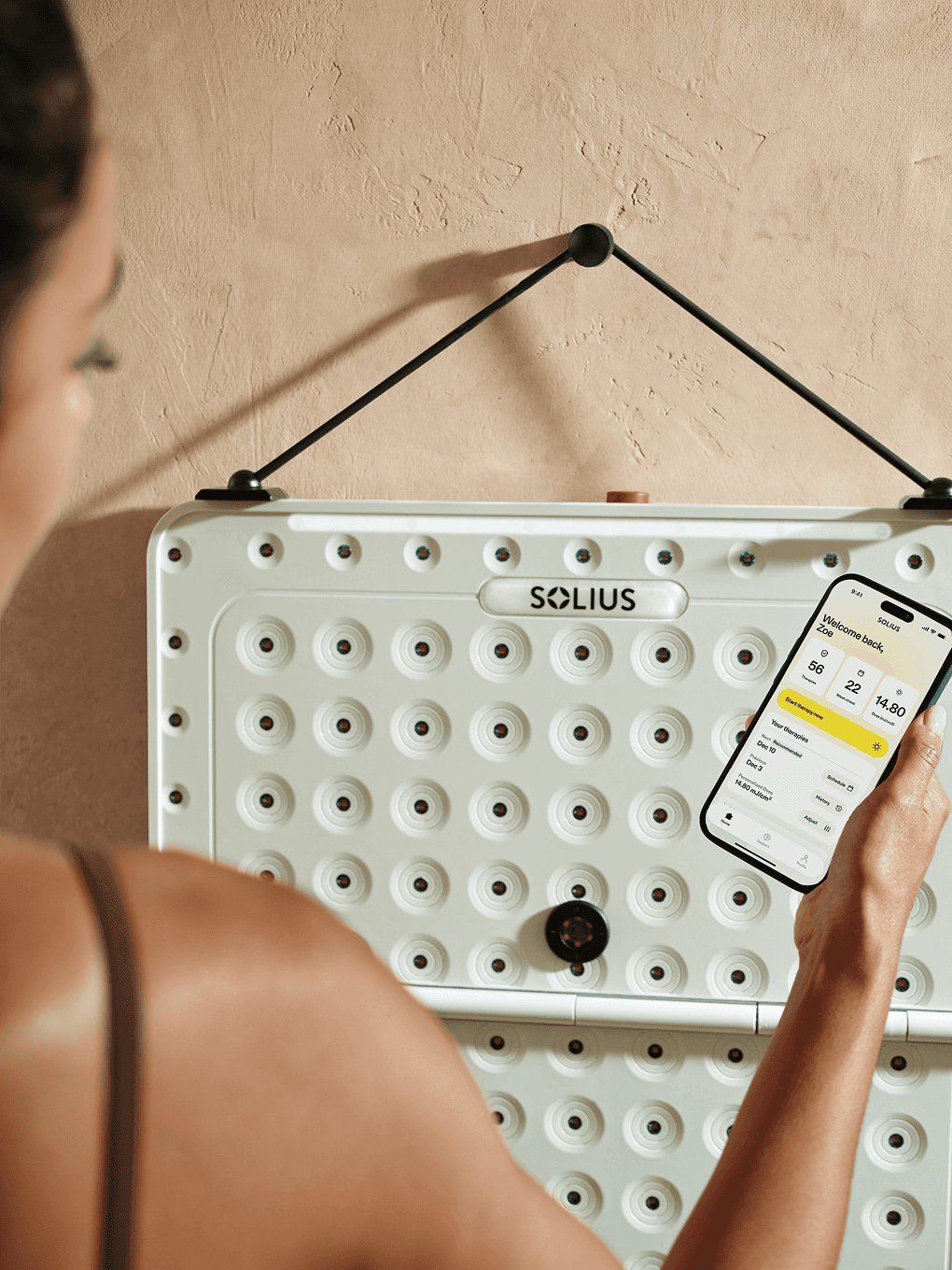
It also notes that in January 2026 the FDA cleared Solius Pro, an over-the-counter UVB light therapy device for adults 22 and older that personalizes each dose to the user’s skin.