Published August 2026 in Fast Company Executive Board by Chris Brooks, Chief Strategy Officer of Solius Labs.
Most of us log more hours outside during summer months than the rest of the year. Along with the longer days comes the annual wave of sunscreen chatter: which SPF to buy and warnings about ingredients. There’s also no shortage of dubious alternative recommendations online— from drinking watermelon juice to using “melatonin peptide” sprays.
Underneath the noise is a bigger shift. Medicine is moving away from one-size-fits-all advice, toward guidance built around an individual’s genetics and biomarkers. Sun exposure, one of the oldest inputs to human health, is only now starting to get the same treatment.
This year, there’s exciting regulatory news in this area. In June, the FDA cleared bemotrizinol, the first new active ingredient added to the U.S. sunscreen monograph since 1999. Bemotrizinol is broad-spectrum UVA/UVB light filter long available in Europe and Asia (and reason for sunscreen smuggling by Americans after European and Asian vacations). While the new ingredient is a small win, it’s also a reminder of how blunt our sunscreen tools still are: Even a better sunscreen is one formula, marketed the same way to everyone.
WHY WE NEED PRECISION SUNCARE
Not everyone is the same. We all have unique skin. In the United States, we mostly talk about skin tone using the Fitzpatrick scale, a 1-to-6 rating from very fair to deeply pigmented. It’s a useful shorthand, but plenty of people don’t fit neatly into one of six boxes. Dermatology’s evidence base, including sunscreen research and clinical imagery, has historically underrepresented darker skin. In fact, the international standard for SPF testing requires a skin-color range that excludes Fitzpatrick types 4, 5, and 6 from the test panel. That testing gap is a small example of a bigger pattern: sun advice built for an average person, when no one’s skin is average.
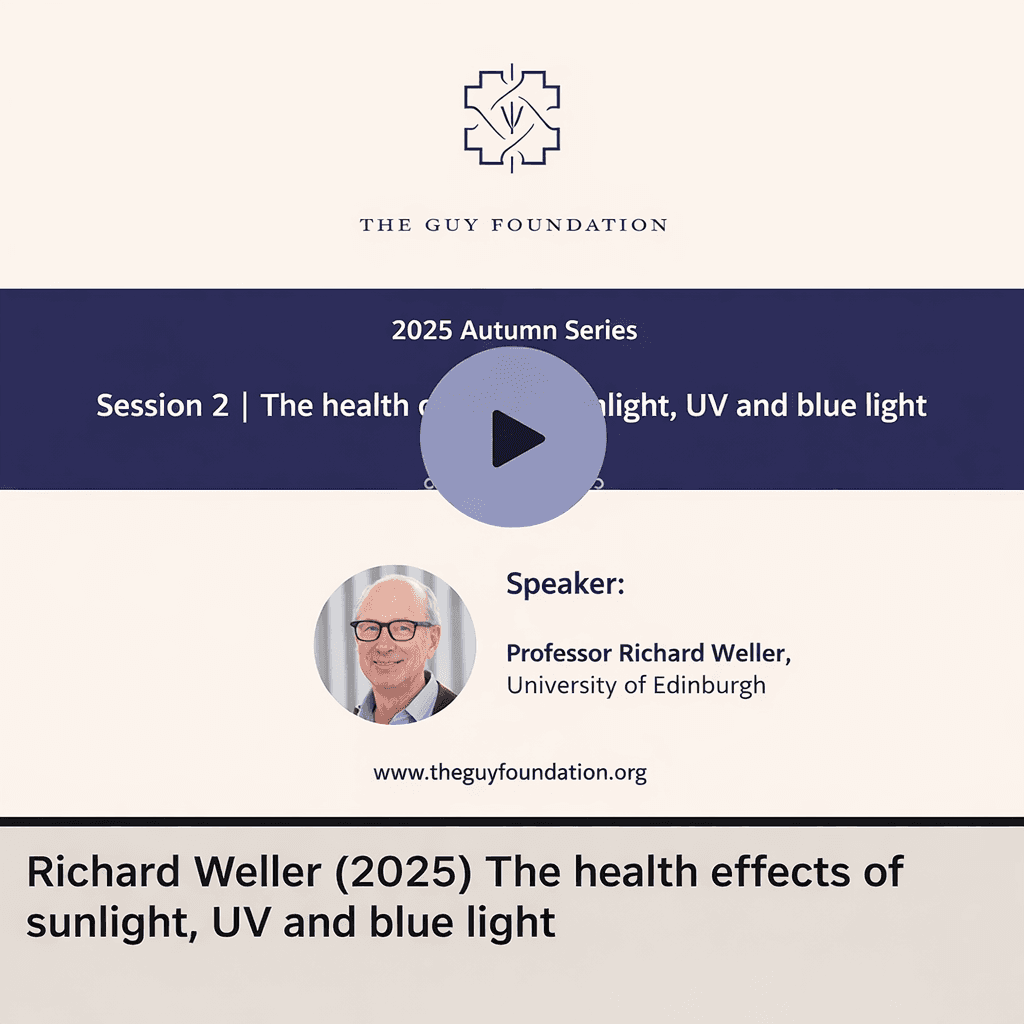
The case for personalizing sun exposure gets stronger once you separate ultraviolet A from ultraviolet B radiation. Richard Weller, a dermatologist whose lab first identified that human skin stores nitric oxide that UV light releases into the bloodstream, has spent two decades linking UVB exposure to measurable drops in blood pressure, with cardiovascular benefits no oral supplement can replicate. Other research ties UVB to immune regulation independent of vitamin D, including a rise in regulatory T-cells that calm autoimmune activity. It’s one reason why dermatologists prescribe narrowband UVB phototherapy for psoriasis, eczema, and vitiligo.