Featured Story

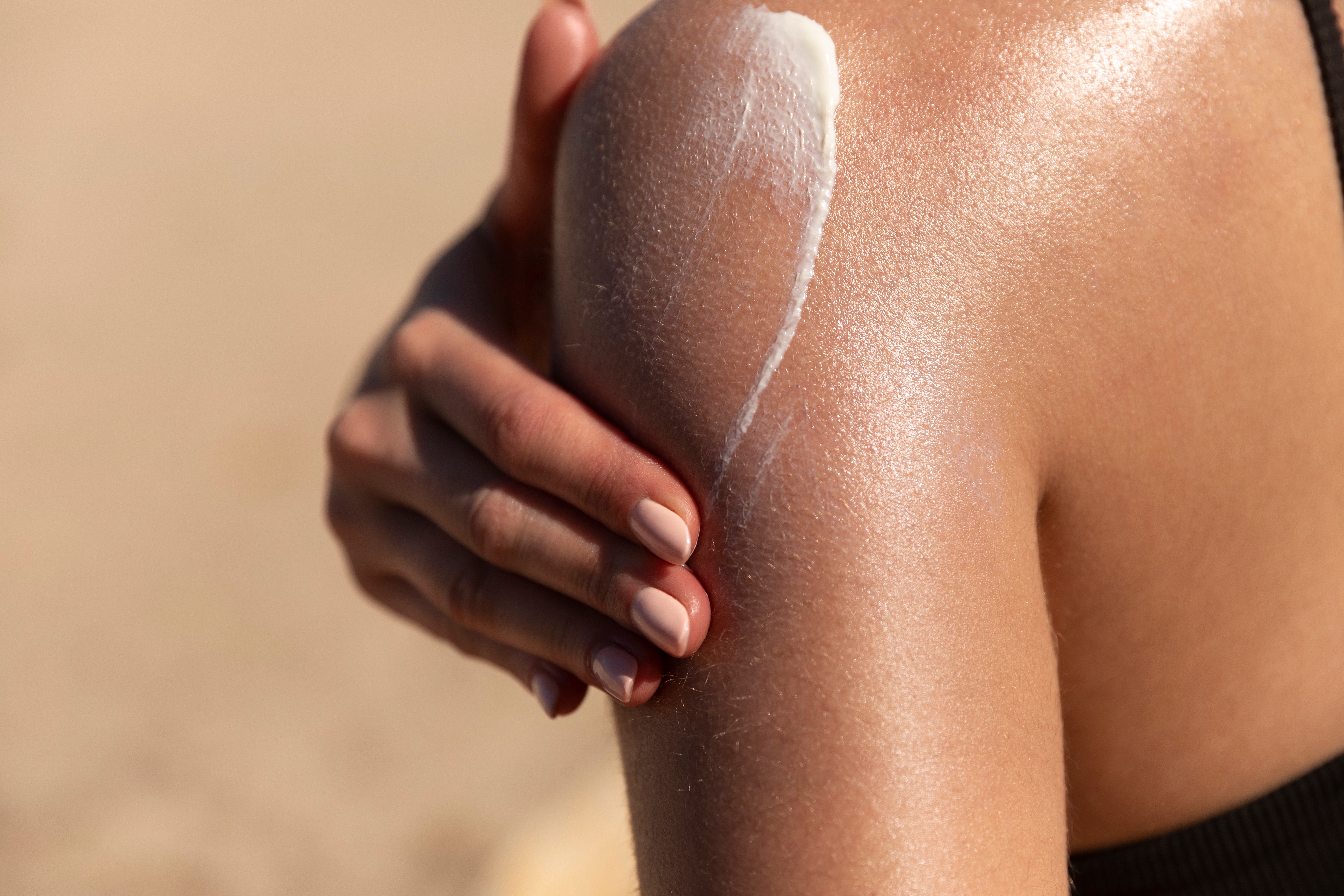
Against Sunscreen Absolutism

Moderate sun exposure can be good for you. Why won’t American experts acknowledge that?

Published January 2026 in The Atlantic

Article Excerpt

Australia is a country of abundant sunshine, but the skin of most Australians is better adapted to gloomy England than the beaches of Brisbane. The country’s predominantly white population has by far the world’s highest rate of skin cancer, and for years the public-health establishment has warned residents about the dangers of ultraviolet light. A 1980s ad campaign advised Australians to “Slip, Slop, Slap”—if you had to go out in the sun, slip on a shirt, slop on some sunscreen, and slap on a hat. The only safe amount of sun was none at all. Then, in 2023, a consortium of Australian public-health groups did something surprising: It issued new advice that takes careful account, for the first time, of the sun’s positive contributions. The advice itself may not seem revolutionary—experts now say that people at the lowest risk of skin cancer should spend ample time outdoors—but the idea at its core marked a radical departure from decades of public-health messaging. “Completely avoiding sun exposure is not optimal for health,” read the groups’ position statement, which extensively cites a growing body of research. Yes, UV rays cause skin cancer, but for some, too much shade can be just as harmful as too much sun. It’s long been known that sun exposure triggers vitamin D production in the skin, and that low levels of vitamin D are associated with increased rates of stroke, heart attack, diabetes, cancer, Alzheimer’s, depression, osteoporosis, and many other diseases. It was natural to assume that vitamin D was responsible for these outcomes. “Imagine a treatment that could build bones, strengthen the immune system and lower the risks of illnesses like diabetes, heart and kidney disease, high blood pressure and cancer,” The New York Times wrote in 2010. “Some research suggests that such a wonder treatment already exists. It’s vitamin D.” By 2020, more than one in six adults were on that wonder treatment in the form of daily supplements, which promise to deliver the sun’s benefits without its dangers. But sunlight in a pill has turned out to be a spectacular failure. In a large clinical trial that began in 2011, some 26,000 older adults were randomly assigned to receive either daily vitamin D pills or placebos, and were then followed for an average of five years. The study’s main findings were published in The New England Journal of Medicine in 2018, and additional results were released in the same publication two years ago. An accompanying editorial, with the headline “A Decisive Verdict on Vitamin D Supplementation,” noted that no benefits whatsoever had been found for any of the health conditions that the study tracked. “Vitamin D supplementation did not prevent cancer or cardiovascular disease, prevent falls, improve cognitive function, reduce atrial fibrillation, change body composition, reduce migraine frequency, improve stroke outcomes, decrease age-related macular degeneration, or reduce knee pain,” the journal said. “People should stop taking vitamin D supplements to prevent major diseases or extend life.” Australia’s new guidance is in part a recognition of this reality. It’s also the result of our improved understanding of the disparate mechanisms through which sunlight affects health. Some of them are intuitive: Bright morning light, filtered through the eyes, helps regulate our circadian rhythms, improving energy, mood, and sleep. But the systemic effects of UV light operate through entirely different pathways that have been less well understood by the public, and even many health professionals. In recent years, that science has received more attention, strengthening conviction in sunlight’s possibly irreplaceable benefits. In 2019, an international collection of researchers issued a call to arms with the headline “Insufficient Sun Exposure Has Become a Real Public Health Problem.”

More Articles

Press Releases

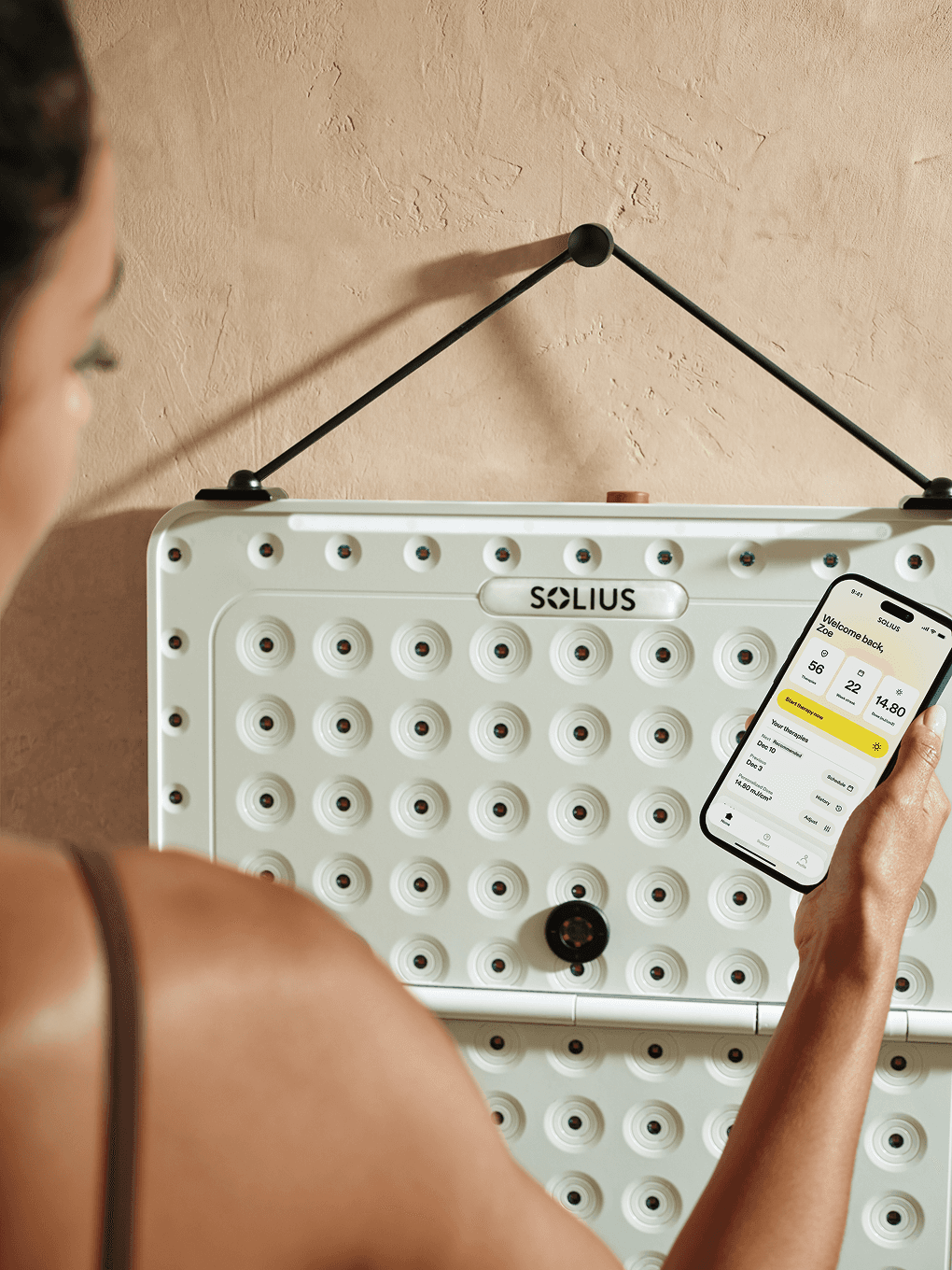
Solius Labs Launches World's First Personalized Sunlight Medical Device

Publication

BAINBRIDGE ISLAND, Wash.- Solius Labs, the world’s first Personalized Sunlight company, today announced the launch of Solius Pro

Read More

Featured Story

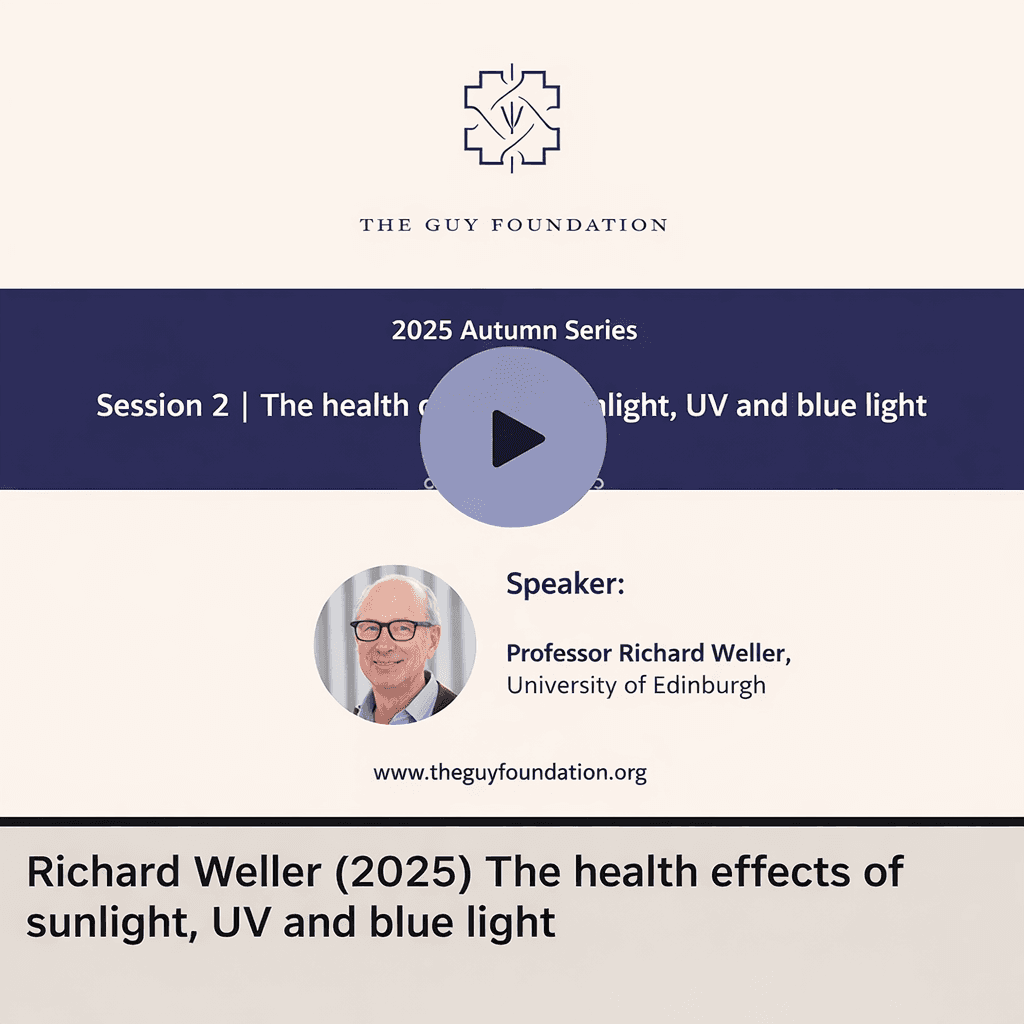
Richard Weller (2025) The health effects of sunlight, UV, and blue light

Publication

Professor Richard Weller, University of Edinburgh. The Guy Foundation 2025 Autumn Series.

Read More

Featured Story

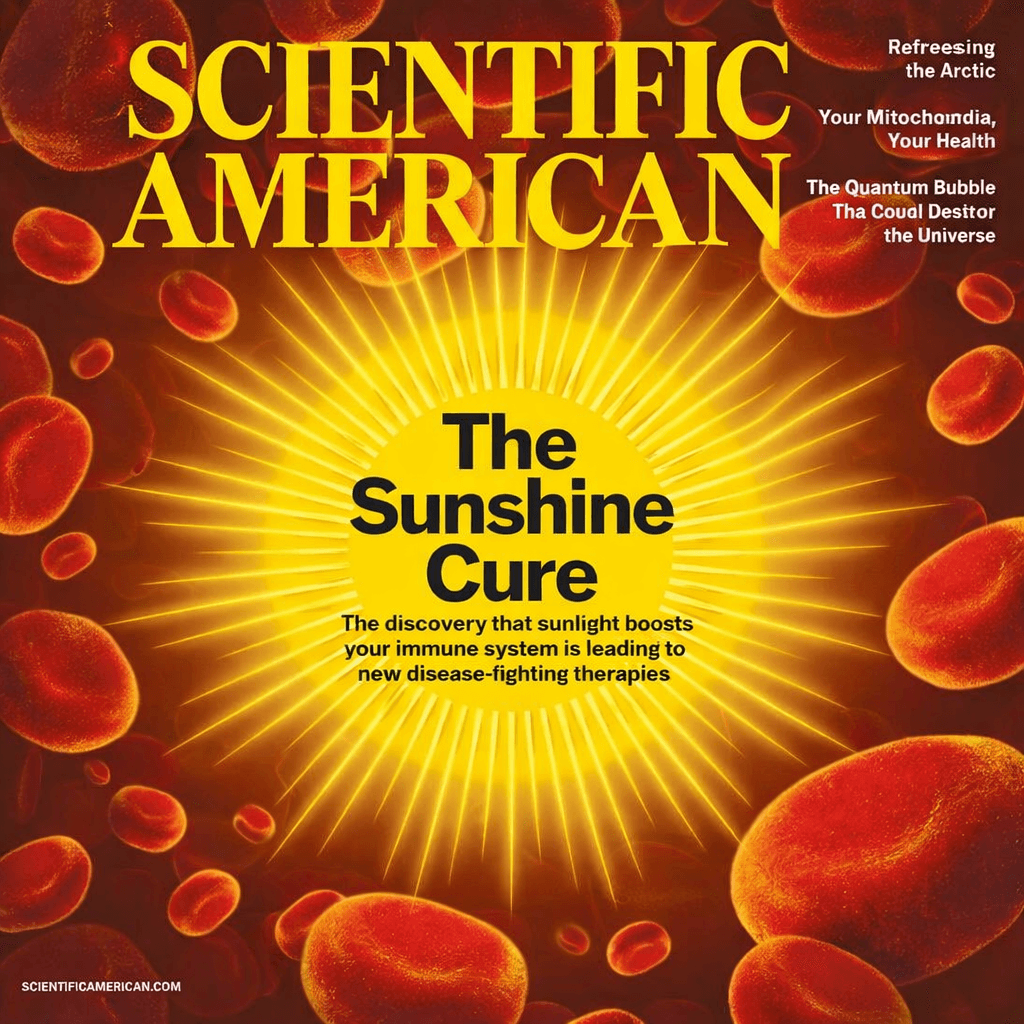
Can Sunlight Cure Disease?

Publication

Sunshine may hold healing rays for a variety of autoimmune diseases such as multiple sclerosis. Scientists are turning this surprising discovery into treatments.

Read More

Solius Coverage

FDA Clears Solius Pro, the First Over-the-Counter Home UVB Panel for Vitamin D

Publication

CNET covers the FDA clearance of Solius Pro, positioning it as the first over-the-counter home UVB panel designed to support vitamin D production.

Read More

Solius Coverage

Solius Labs Launches Solius Pro, The First FDA-Cleared OTC UVB Therapy Device

Publication

Solius Pro is the first over-the-counter UVB light therapy device cleared by the FDA, establishing a new product code for personalized phototherapy.

Read More

Solius Coverage

Selling sunshine from Seattle: Solius raises $23M to launch new at-home light-therapy device

Publication

GeekWire highlights Solius' FDA-cleared product launch and mission to make personalized UVB light therapy accessible at home.

Read More

Solius Coverage

Solius Launches FDA-Cleared UVB Light Therapy

Publication

Solius Labs is introducing an at-home UVB medical device that tailors sunlight therapy to individual skin profiles

Read More

Featured Story

The health benefits of sunlight may outweigh the risk of skin cancer

Publication

More sun might improve your heart and immune system. Just don’t get sunburnt.

Read More

Featured Story

What Are the Health Benefits of Sunshine?

Publication

We’ve been taught to avoid the sun at all costs. Is that right?

Read More

Featured Story

The health benefits of natural light exposure

Publication

The Washington Post covers the health benefits of natural light exposure, adding mainstream wellness context around light and human health.

Read More

Solius Coverage

Beauty Devices and Skin Care to Biohack Your Routine

Publication

The Hollywood Reporter featured Solius Pro in its roundup of Hollywood’s favorite skin saviors and beauty biohacks.

Read More

Solius Coverage

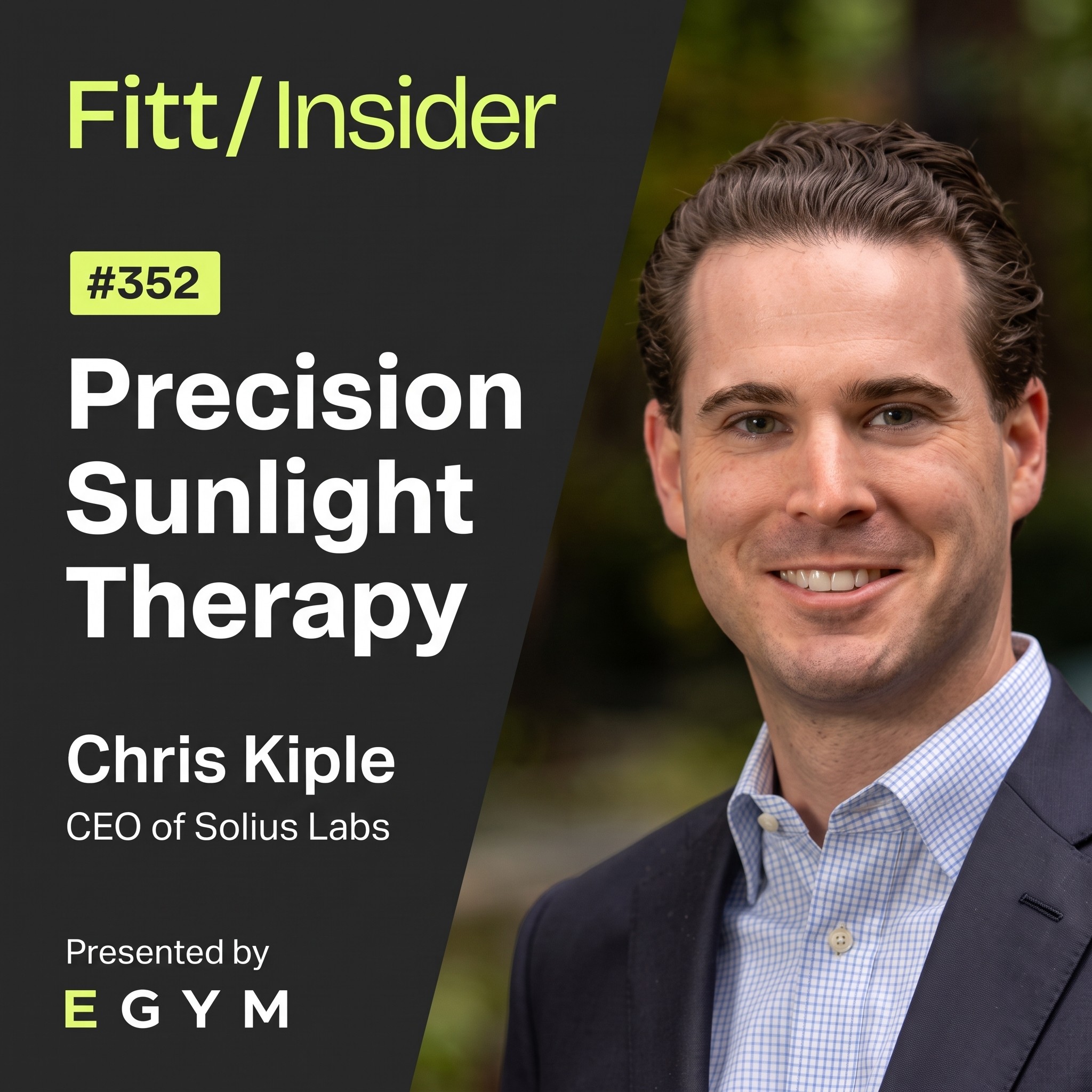
Solius Labs Personalizes UV Exposure

Publication

Fitt Insider covers Solius Labs’ FDA-cleared personalized UVB light therapy device and $23M Series A funding.

Read More

Solius Coverage

Personalized Sunlight Therapy Systems

Publication

Trend Hunter covers Solius Labs’ personalized sunlight therapy system and FDA-cleared UVB light therapy device.

Read More

Intertek logo

Solius is an FDA-cleared over-the-counter (OTC) UVB light panel intended to stimulate production of vitamin D in people 22 years and older.

Solius is clinically proven to stimulate the production of vitamin D. References to the benefits of sunlight, UVB light, and vitamin D are based upon published, peer-reviewed research. The Solius device is not intended to diagnose, treat, cure, or prevent disease, except for the indications for use described in the user manual for your applicable region. Solius does not provide specific medical advice to users. Users should seek advice from a qualified physician or healthcare provider. This website does not establish a doctor-patient relationship. For detailed product information please consult the User Manual prior to use. 

Solius® is a registered trademark of Solius Labs, Inc.
100 Ravine Lane NE, Suite 310, Bainbridge Island, WA 98110

© 2026 Solius Labs, Inc.

Intertek logo

Solius is an FDA-cleared over-the-counter (OTC) UVB light panel intended to stimulate production of vitamin D in people 22 years and older.

Solius is clinically proven to stimulate the production of vitamin D. References to the benefits of sunlight, UVB light, and vitamin D are based upon published, peer-reviewed research. The Solius device is not intended to diagnose, treat, cure, or prevent disease, except for the indications for use described in the user manual for your applicable region. Solius does not provide specific medical advice to users. Users should seek advice from a qualified physician or healthcare provider. This website does not establish a doctor-patient relationship. For detailed product information please consult the User Manual prior to use. 

Solius® is a registered trademark of Solius Labs, Inc.
100 Ravine Lane NE, Suite 310, Bainbridge Island, WA 98110

© 2026 Solius Labs, Inc.

Intertek logo

Solius is an FDA-cleared over-the-counter (OTC) UVB light panel intended to stimulate production of vitamin D in people 22 years and older.

Solius is clinically proven to stimulate the production of vitamin D. References to the benefits of sunlight, UVB light, and vitamin D are based upon published, peer-reviewed research. The Solius device is not intended to diagnose, treat, cure, or prevent disease, except for the indications for use described in the user manual for your applicable region. Solius does not provide specific medical advice to users. Users should seek advice from a qualified physician or healthcare provider. This website does not establish a doctor-patient relationship. For detailed product information please consult the User Manual prior to use. 

Solius® is a registered trademark of Solius Labs, Inc.
100 Ravine Lane NE, Suite 310, Bainbridge Island, WA 98110

© 2026 Solius Labs, Inc.