
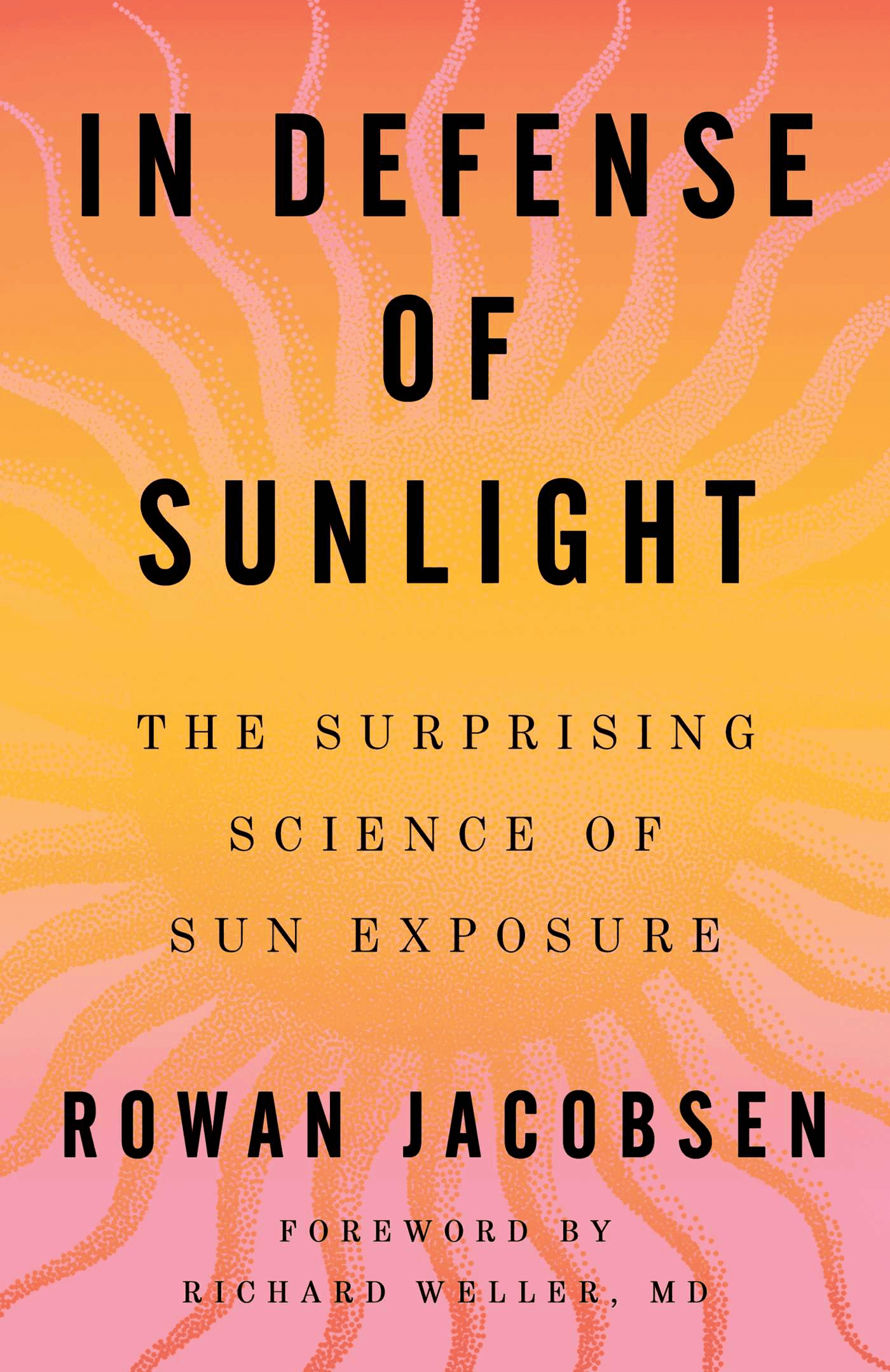
About the book
In In Defense of Sunlight, science journalist Rowan Jacobsen makes the case that the public health conversation around sun exposure has been incomplete. Yes, too much sun carries real risks. But avoiding it entirely comes at a biological cost that most people don't fully appreciate.
Drawing on decades of research, Jacobsen explores how UVB light does far more than produce vitamin D - driving hormone production, supporting the microbiome, releasing nitric oxide, and influencing mood, immunity, and cardiovascular health through pathways that oral supplements simply can't replicate.
The book features a foreword by Dr. Richard Weller, a leading dermatologist and researcher whose work on nitric oxide and sunlight helped reshape how scientists think about UV exposure and human health.
Where the science leads
Solius was built around the same body of research Jacobsen explores in the book. People are increasingly caught between two competing realities. On one hand, the scientific evidence continues to show that sunlight plays an important role in human health. On the other, excessive sun exposure carries well-established risks, including skin damage and skin cancer. For decades, the conversation has largely been framed as a choice between getting the benefits of sunlight and avoiding its risks.
Solius was designed to solve that dilemma. By delivering a personalized dose of targeted UVB light, it provides a way to access the biological benefits associated with sunlight while dramatically reducing unnecessary UV exposure.
The challenge has always been dosing. The right amount of UVB is different for every person. Skin tone, age, geography, season, weather, and prior sun exposure all influence how much UVB someone should receive. Too little may provide little benefit, while too much can increase risk. Solius solves that problem by automatically measuring the user, calculating a personalized dose, and delivering it consistently in just a few minutes each week.
About the author
Rowan Jacobsen writes about science and nature and the less-explored corners of the world for Harper’s, Outside, The Atlantic, Scientific American, Smithsonian, The New York Times, The Washington Post, MIT Technology Review, Businessweek, and others, and his work has been anthologized in The Best American Science & Nature Writing and other collections. He has received awards from the James Beard Foundation, the Society of American Travel Writers, and the Overseas Press Club. He is the author of nine books, including A Geography of Oysters, Fruitless Fall, and Truffle Hound, several of which have been named to Best Book of the Year lists by The Washington Post, The Wall Street Journal, The Boston Globe, NPR, and Publishers Weekly. He has performed with Pop-Up Magazine, lectured at Harvard and Yale, and appeared on CBS, NBC, and NPR. He has been an Alicia Patterson Foundation Fellow, writing about endangered diversity on the borderlands between India, Myanmar, and China; a Knight Science Journalism Fellow at MIT, focusing on the environmental and evolutionary impact of synthetic biology; and a Nova Media Fellow, researching the science of sun exposure.
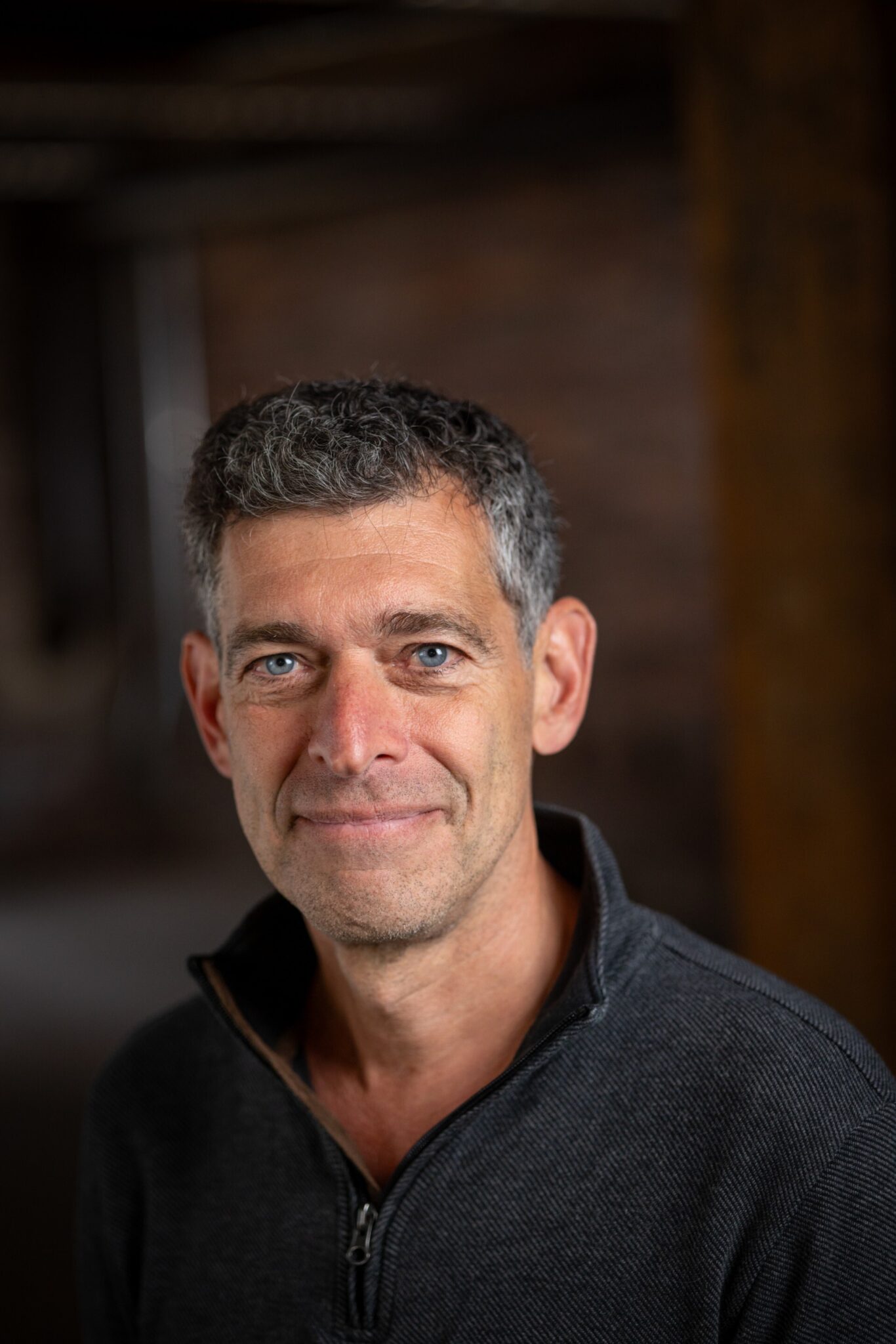
Rowan Jacobsen, award-winning science writer